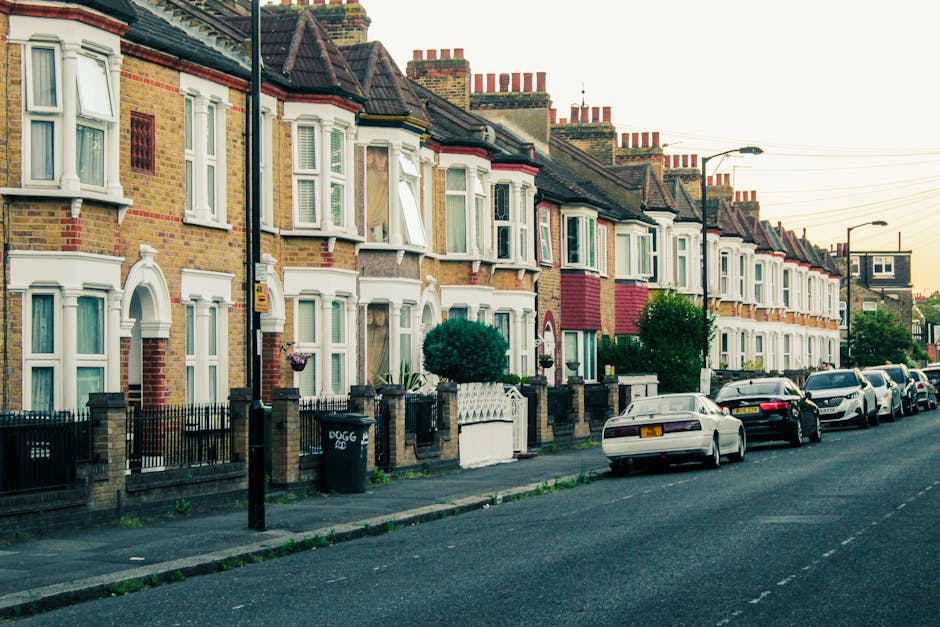
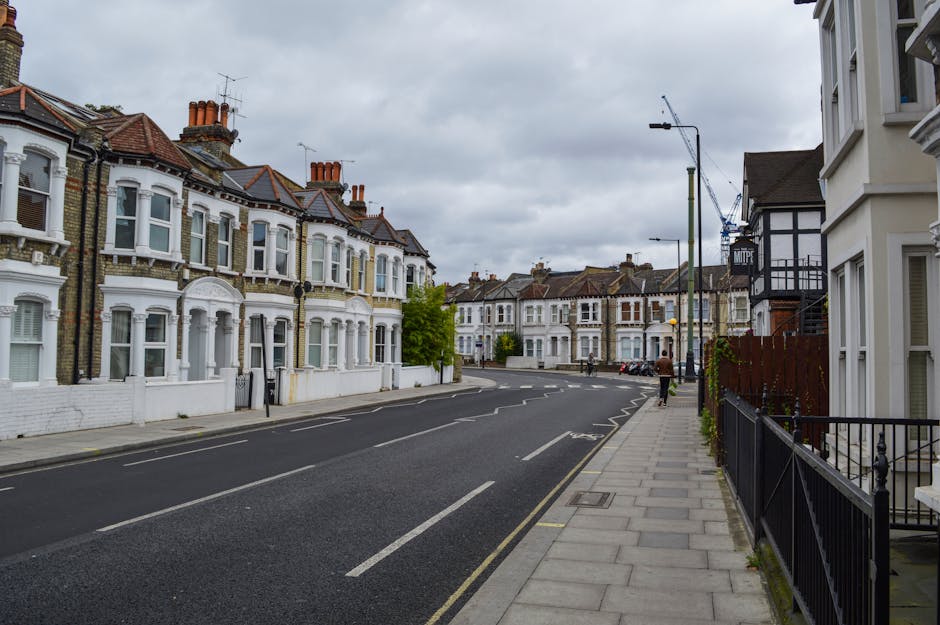
Ilford High Road removals guide for narrow access homes
If you are moving on or near Ilford High Road, narrow access can turn a standard house move into a bit of a puzzle. Tight front paths, parked cars, shared entrances, basement steps, awkward turns, and busy traffic all change how a removals job needs to be planned. The good news? With the right preparation, a narrow-access move can still be calm, efficient, and much less stressful than people expect.
This guide breaks down exactly how to approach an Ilford High Road removals guide for narrow access homes in a practical way. You will find out what matters most, how professionals work around restricted access, which tools and vehicle choices help, what mistakes to avoid, and how to decide whether you need a full house team, a smaller van, or a mixed approach. If you want a smoother move and fewer surprises on the day, this is the sort of planning that pays off.
For readers wanting a broader overview of local services, it can also help to look at the company's removal services overview and the dedicated Ilford IG1 removals page before you book anything.
Key takeaway: narrow access homes do not need a bigger truck or more muscle by default; they need better planning, the right parking strategy, and a team that understands local access quirks around Ilford High Road.
Table of Contents
- Why Ilford High Road removals guide for narrow access homes Matters
- How Ilford High Road removals guide for narrow access homes Works
- Key Benefits and Practical Advantages
- Who This Is For and When It Makes Sense
- Step-by-Step Guidance
- Expert Tips for Better Results
- Common Mistakes to Avoid
- Tools, Resources and Recommendations
- Law, Compliance, Standards, or Best Practice
- Options, Methods, or Comparison Table
- Case Study or Real-World Example
- Practical Checklist
- Conclusion
- Frequently Asked Questions
Why Ilford High Road removals guide for narrow access homes Matters
Narrow-access moves are a different beast. On paper, you are just moving furniture and boxes from one property to another. In reality, access can decide whether a move runs on time, whether items need extra carrying distance, and whether the day feels manageable or chaotic. That matters even more on a busy stretch like Ilford High Road, where traffic, parking pressure, and pedestrian flow can all affect loading and unloading.
The biggest issue is simple: large removal vehicles are not always the best fit. If a truck cannot park close enough, every sofa, wardrobe, or box has to be carried farther. That adds time, increases handling risk, and can create stress for neighbours and passers-by too. A small front garden gate, a steep set of stairs, or a shared corridor can make the difference between a smooth move and one that keeps stalling.
There is also a planning issue. Many people only think about the destination address, but narrow-access moves often need careful attention to both ends of the journey. A property might have a tight entrance, but the parking at the collection point could be just as awkward. The best results usually come from planning the route, the vehicle size, the lifting team, and the loading order together.
To understand the local moving landscape a little better, it can be useful to explore removal companies in Ilford and how they position themselves around different access needs. Not every mover is set up for awkward entrances, to be fair, and that is where experience starts to matter.
How Ilford High Road removals guide for narrow access homes Works
A narrow-access removals plan works by reducing friction before the van even arrives. The process usually starts with a quick but detailed access assessment. This may happen over the phone, by photos, or during a site visit. A good mover wants to know things like: how wide the entrance is, whether there are stairs, whether parking is possible outside the property, and whether any large items need to be dismantled.
From there, the move is usually shaped around the access constraints rather than forcing the property to fit a generic removals pattern. That may mean using a smaller removal van, splitting the job into shuttle runs, sending a man and van team, or arranging extra porters for heavy lifting. If you have very bulky furniture, it may also make sense to look at specialist support such as furniture removals in Ilford.
Here is the practical reality. A narrow access move often involves a sequence like this:
- Measure entrances, stairs, and turning space.
- Check parking availability and loading restrictions.
- Decide which vehicle size fits best.
- Protect floors, banisters, and door frames.
- Load the most awkward items first, while the team is freshest.
- Use shorter carrying routes and, if needed, a shuttle system.
- Unload in a controlled order so hallways do not get blocked.
That sounds straightforward, but the detail is where the day is won or lost. A cupboard that only just fits through a door at a 45-degree angle can take more time than half a dozen standard boxes. Strange, but true.
If timing is tight or the property is already under pressure, a faster option such as same day removals in Ilford may be useful, although the access challenges still need to be understood in advance.
Key Benefits and Practical Advantages
When narrow access is handled properly, the benefits are bigger than most people expect. You are not just saving a few minutes. You are reducing physical risk, avoiding unnecessary damage, and making the whole moving day feel more predictable.
The main advantages include:
- Less carrying distance: close parking and a well-planned route reduce lifting strain.
- Lower damage risk: fewer awkward turns and less squeezing through gaps means fewer scuffs and knocks.
- Better time control: the team can work at a steadier pace instead of constantly adjusting on the fly.
- Less disruption to neighbours: fewer bottlenecks in shared hallways or front gardens.
- More suitable vehicle choice: a smaller van or shuttle run can be far more efficient than a larger lorry that cannot access the street properly.
There is a quieter benefit too: peace of mind. When you know the plan actually fits the property, you stop second-guessing every part of the day. You can focus on the move itself instead of worrying whether the sofa will get stuck on the stairs. Anyone who has stood in a doorway with a mattress half in and half out knows that feeling.
For many people, especially renters and flat movers, narrow access planning also pairs well with a broader packing strategy. If you are still early in the process, the company's packing and boxes support can be useful alongside the move plan.
And if you are moving from a smaller property, the flat removals service is often a better fit than a standard large-house approach, especially where stair access is tight or parking is limited.
Who This Is For and When It Makes Sense
This guide is for anyone moving from or into a property where access is limited, fiddly, or just plain awkward. In Ilford, that often includes terraced homes, maisonettes, older conversions, first-floor flats, basement properties, and homes on or close to High Road where parking can be unpredictable.
You will likely benefit from this approach if:
- your front door opens onto a narrow pavement or small forecourt;
- there are tight stairs or a landing turn that large furniture must navigate;
- you cannot guarantee parking directly outside;
- you live in a shared building with limited lift or corridor space;
- you are moving bulky items such as wardrobes, sofas, pianos, or white goods;
- you need to move quickly and keep disruption low.
It also makes sense if you are balancing budget against convenience. Sometimes a smaller, more flexible vehicle is cheaper than a larger one that cannot access the property properly. Sometimes it is not. The point is to compare like with like, not just look at the headline price.
If you are weighing options, it may help to review the company's man and van Ilford and man with a van Ilford pages, because these services are often better suited to narrow-access situations than a one-size-fits-all removal truck.
Truth be told, if your property feels like it was designed by someone who never moved a sofa, you are probably in the right place.
Step-by-Step Guidance
Here is a practical way to tackle a narrow access move without turning the day into a scramble.
1. Survey the access properly
Start with measurements. Check door widths, stair turns, ceiling height on landings, and any external obstacles such as railings, bins, trees, or low walls. Take photos from the front door to the road if possible. A few phone pictures can save a lot of guesswork later.
2. Be honest about parking and loading
If parking is tight on Ilford High Road, do not assume there will be a convenient space on the day. Note loading restrictions, bus lanes, school runs, and times when traffic tends to build up. A move that begins at 8:30am can feel very different from one starting at lunchtime.
3. Match the vehicle to the property
A large van is not automatically better. A smaller removal van, or a mixed vehicle strategy, can make access easier. The right choice depends on how far the team will need to carry items and whether a larger vehicle would slow the job down.
4. Prioritise the bulky and fragile items
Large furniture should be dealt with first. That usually means beds, wardrobes, desks, and heavy appliances. Fragile items need separate handling and clear labelling. For specialist pieces, it may be worth using piano removals in Ilford or another tailored service rather than trying to squeeze everything into a standard load plan.
5. Protect the property before lifting begins
Floor runners, door-frame covers, corner protection, and bannister wraps can make a big difference, especially in older homes where surfaces are easy to mark. This is one of those jobs where five minutes of prep saves twenty minutes of apology later.
6. Load in the right order
Keep access-critical items separate, and load the van with a sensible sequence. Heavy items at the base, fragile items secured above, and items needed first at the destination should be easy to reach. No one wants to unpack the kettle from behind a stack of ottomans.
7. Allow for a slower, steadier finish
With narrow access, rushing is usually the wrong move. A controlled unload is safer and often quicker overall because nobody wastes time fixing damage or redoing placements.
Expert Tips for Better Results
These are the small things that make a real difference on move day, especially in a place like Ilford High Road where access can change from one building to the next.
- Measure the awkward bits, not just the obvious ones. Doorway width matters, yes, but so does the turn into the hallway and the landing corner upstairs.
- Tell your mover about the item that worries you most. Usually there is one thing: a sofa that "just fits", a fridge-freezer that is suspiciously tall, or a bed frame with awkward slats.
- Keep hallways clear the night before. Boxes piled by the door are a fast route to delay. It always feels harmless until everyone is standing around a narrow landing at 8am.
- Use colour labels or room labels. It sounds basic, but in a tight property, it stops boxes being moved twice.
- Separate parking worries from packing worries. Deal with the access plan first, then focus on the boxes. Mixing both in your head just creates noise.
- Ask about insurance and handling procedures. Good operators should be open about how they protect items and what happens if something goes wrong. The company's insurance and safety information is worth reading before you book.
A small aside: if your neighbour has a habit of leaving a car in the only sensible loading space, speak to them early. A friendly conversation the day before can be worth far more than a stressed message at 7:15 in the morning.
For movers who want a wider sense of the business behind the service, the about us page is a sensible read too. It helps set expectations around approach, service style, and local knowledge.
Common Mistakes to Avoid
Narrow-access moves tend to go wrong for predictable reasons. Most of them are avoidable with a bit of honesty and planning.
- Booking the wrong vehicle size. A van that is too large for the street or driveway can cause more trouble than it solves.
- Not checking parking in advance. "We'll sort it on the day" is not a strategy. It is a hope, and not a very strong one.
- Ignoring stair turns and ceiling height. A wardrobe can look fine in the room and still fail at the landing.
- Leaving dismantling too late. Beds and tables that could have been taken apart the night before become moving-day headaches.
- Underestimating carrying time. If the van cannot park close by, every extra metre matters.
- Not telling the movers about access restrictions. The team can only plan around what they know.
- Packing too much into heavy boxes. In a narrow stairwell, overfilled boxes are more likely to tear or slip.
One of the biggest traps is assuming a standard removals approach will somehow work because "it's only around the corner." Distance does not always equal ease. Sometimes a two-minute drive becomes a longer job than a cross-town move because access is fiddly, and there you are.
Tools, Resources and Recommendations
Good tools do not replace experience, but they help a lot. For narrow-access removals, the most useful kit is usually practical rather than flashy.
| Tool or resource | Why it helps | Best used for |
|---|---|---|
| Measuring tape | Checks door widths, stairs, and furniture clearances | Planning access before moving day |
| Furniture blankets | Protects corners and surfaces during carry and loading | Sofas, tables, beds, wardrobes |
| Straps and trolleys | Helps move heavier items safely through long or awkward routes | Appliances, boxes, heavy furniture |
| Floor protection | Reduces scuffs on hallways and stairs | Older homes and shared entrances |
| Clear labels | Speeds up unloading and room placement | Box sorting and quick identification |
| Storage option | Useful when access issues force a phased move | Staging belongings before completion |
If you are stuck between move dates, short-term storage can be a very useful pressure valve. It lets you move in stages, which is often a calmer route for narrow-access homes. You can read more about storage in Ilford if that sounds like your situation.
For people comparing service types, the broader removals Ilford page is useful for seeing how different services fit different move sizes. And if you are trying to keep costs sensible, the pricing and quotes page will help you understand how a tailored quote is usually put together.
Law, Compliance, Standards, or Best Practice
For home removals in the UK, there are a few practical compliance and best-practice points worth keeping in mind. These are not about overcomplicating things. They are about reducing avoidable risk and making sure the move is handled properly.
First, a professional mover should be clear about safety procedures, insurance, and how items are handled. That matters more in narrow-access environments because the chance of contact with walls, bannisters, or doorframes is naturally higher. Good operators should explain what protections they use and what their process looks like if access is tighter than expected. The company's health and safety policy is relevant here.
Second, parking and loading should be approached responsibly. Local rules vary, and on-street loading can be affected by restrictions, permits, or busy traffic conditions. If a parking arrangement is needed, it is wise to check it with the relevant local authority or property manager rather than assuming anything. That bit saves headaches.
Third, if you are moving through shared spaces, basic neighbour consideration goes a long way. Keep communal areas clear, protect floors where appropriate, and avoid leaving items obstructing fire routes or entrances. This is not just polite; it is the sensible thing to do.
Finally, if you are comparing providers, look for clear terms, transparent payment practices, and accessible complaints information. The company's terms and conditions, payment and security page, and complaints procedure can give you useful reassurance before you commit.
Options, Methods, or Comparison Table
There is no single best method for every narrow-access move. The right one depends on the property, the volume of items, and how close the vehicle can get to the door.
| Method | Best for | Pros | Possible drawbacks |
|---|---|---|---|
| Full removal van | Moves with good road access and larger loads | Efficient for bigger households | Can be awkward on narrow streets |
| Smaller van or shuttle runs | High Road homes with limited parking or tight turning space | More flexible access, easier parking | May need extra trips |
| Man and van | Smaller moves, flats, student moves, or partial loads | Cost-effective and nimble | Not ideal for very large households |
| Specialist item handling | Pianos, heavy furniture, or fragile bulky pieces | Better protection and handling | Usually needs separate planning |
| Short-term storage plus staged move | Where access is tight or move dates do not align | Takes pressure off the move day | Requires extra coordination |
To be fair, many moves use a mixture of methods. A good example is a flat move with tight stairs: the main load goes in a smaller van, while particularly bulky furniture is handled separately, and a couple of items are stored briefly until the new place is ready. That hybrid approach often works better than trying to force one perfect solution.
Case Study or Real-World Example
Imagine a family moving from a terraced home just off Ilford High Road. The front path is narrow, the stairs turn sharply at the first floor, and parking directly outside is unreliable during the morning rush. The household has a sofa, a dining table, two wardrobes, and around thirty boxes. Nothing outrageous, but enough to make access matter.
Rather than sending a large truck and hoping for the best, the move is planned with a smaller vehicle and a clearer loading sequence. The team measures the tightest doorway the day before, dismantles the wardrobes in advance, and protects the hallway floor. A neighbour is asked about parking at the front, which turns out to be helpful because a small space is kept clear for loading.
On the day, the movers begin with the awkward furniture first while everyone is fresh. The sofa is wrapped, turned carefully through the stair landing, and loaded without rushing. Boxes are carried in batches, with the most important room items placed together so unloading at the other end is easier. The result is not magical. It is just organised. And honestly, that is what makes the difference.
This kind of move shows why local knowledge matters. A team familiar with house removals in Ilford will usually recognise access patterns faster and can suggest practical changes before the day starts. That does not guarantee perfection, of course, but it does reduce the number of nasty little surprises.
Practical Checklist
Use this checklist in the week before your move. It is simple, but very effective.
- Measure doorways, stair turns, and any tight corners.
- Take photos of the property entrance and any awkward access points.
- Confirm parking options at both addresses.
- Tell the removals team about stairs, lifts, or shared entrances.
- Identify bulky items that may need dismantling.
- Label boxes by room and priority.
- Keep hallways, landings, and front paths as clear as possible.
- Set aside valuables, documents, medication, and chargers separately.
- Check whether you need storage or a phased move.
- Review insurance, payment, and booking terms before moving day.
Expert summary: narrow-access moves are won by preparation, not force. If you get the measurements, parking, vehicle choice, and furniture handling right, the rest becomes much easier. Simple, but not always easy.
For readers comparing providers, it can also help to read the company's removal services information and removal van options so you can match the service to the actual access at your property rather than guessing.
Conclusion
Moving from a narrow-access home near Ilford High Road is absolutely manageable if you approach it with a realistic plan. The key is not to treat access as a small detail. It is often the central issue. Once you understand how much parking, space, and turning room really affect the move, you can choose the right van, the right team, and the right schedule.
That is what this guide is really about: making the move feel less like a puzzle and more like a process. Measure early, communicate clearly, and do not be shy about asking for a tailored quote. A move that starts with good planning tends to end with fewer dents, fewer delays, and a lot less sighing in the hallway.
If you are ready to plan a move with tighter access, speak to a local team that understands the streets, the traffic, and the practical realities of Ilford homes. A little local know-how goes a long way when the doorway is just a bit too narrow and the sofa is, well, being awkward again.
Get a free quote today and see how much you can save.
Frequently Asked Questions
What counts as a narrow-access home on Ilford High Road?
Usually, it means a property where parking, turning space, entrance width, stairs, or corridor space makes moving bulky items more difficult than average. Terraced houses, flats above shops, basement homes, and older conversions often fall into this category.
Do I need a smaller van for a narrow-access move?
Not always, but a smaller van is often easier to position close to the property. If a large vehicle cannot park safely or would block traffic, a smaller van or shuttle-style approach may work better.
How do movers check whether furniture will fit through the door?
They usually measure the item and compare it with the doorway, stair turns, and landing space. In many cases, they will also look at whether the item can be turned or dismantled to fit more easily.
Should I dismantle furniture before the removals team arrives?
If you can do it safely, yes. Beds, wardrobes, and table legs are common candidates. Just keep all screws and fittings in clearly labelled bags so reassembly is easier.
What if parking is impossible right outside the property?
Then the team may need to work with a longer carry, a smaller van, or a shuttle system. It is better to be honest about the parking situation early so the move can be planned properly.
Are narrow-access removals more expensive?
They can be, depending on how much extra time, labour, or vehicle coordination is needed. But not every narrow-access move costs more. In some cases, a smaller vehicle or a simpler load plan can keep things sensible.
Is a man and van service suitable for Ilford High Road moves?
Often, yes, especially for smaller homes, flat moves, or partial loads. It is a flexible option when access is tight, but it may not suit larger family homes with substantial furniture.
What should I tell the removals company before booking?
Tell them about parking, staircases, lifts, tight corners, heavy furniture, and any items that need special handling. The more accurate the information, the better the plan.
Do I need insurance for a narrow-access move?
Most professional removal companies carry insurance, but it is wise to confirm what is covered and how claims are handled. Narrow access can increase handling risk, so clarity matters.
Can storage help if my new place is not ready yet?
Yes. Storage is useful when move dates do not line up or when access limits mean the move is better done in stages. It can remove a lot of pressure from the day itself.
What items usually cause the most problems in tight homes?
Sofas, wardrobes, beds, mirrors, pianos, and large appliances are common troublemakers. They are bulky, awkward to turn, and easy to mark if the route is tight.
How far in advance should I arrange a narrow-access removal?
As early as you can, ideally once you know your moving date. That gives time for measurements, parking checks, and any dismantling or storage planning that may be needed.
For a smoother next step, you may also want to review the company's contact page and house removals service so you can request advice based on your exact property layout.
Moving day is busy enough without fighting your doorway. Plan it well, and the whole thing starts to feel a lot more manageable.