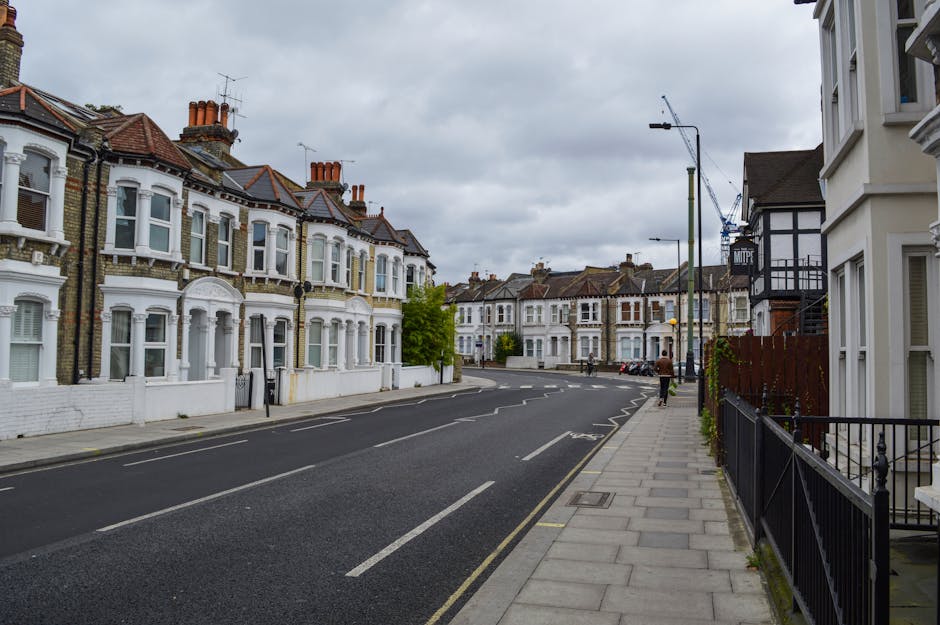
Permit requirements for Ilford street removals and loading
If you are planning a house move, a flat clearance, or a commercial relocation in Ilford, the permit requirements for Ilford street removals and loading can shape the whole day. Get it right and the move feels calm, tidy, and predictable. Get it wrong and you can end up circling the block, stressing over parking, or watching the clock while the crew carries boxes a bit too far. Nobody enjoys that.
This guide breaks down how street loading permissions usually work, when a parking bay suspension or dispensations may be needed, what to check before moving day, and how to reduce the risk of a fine or a last-minute delay. It is written for real-world moving situations, not theory. To be fair, that is what most people need.
Whether you are moving from a top-floor flat, loading a van outside a terrace, or arranging a larger business move, understanding the basics early makes everything easier. You will also see where services like man and van support, house removals, and commercial moves fit into the picture when access is tight or timing is awkward.
Table of Contents
- Why permit requirements matter
- How loading permissions usually work
- Key benefits and practical advantages
- Who needs this and when it makes sense
- Step-by-step guidance
- Expert tips for better results
- Common mistakes to avoid
- Tools, resources and recommendations
- Law, compliance, standards, and best practice
- Options, methods, or comparison table
- Case study or real-world example
- Practical checklist
- Conclusion
- Frequently asked questions
Why permit requirements for Ilford street removals and loading Matters
Street space in Ilford can be busy, especially around peak commuting times, school runs, and those awkward stretches where everyone seems to need the same kerbside space at once. If your removal vehicle needs to stop on a public road, even for a short while, the legal and practical rules around loading matter more than most people realise.
The main issue is simple: a removal van is not the same as a private car dropping someone off. Loading can block access, affect traffic flow, and trigger parking restrictions if the stop is not arranged properly. In some cases, you may need a permit, a dispensation, or a suspension of a parking bay. In others, you may be able to load within the rules without a formal permit, but only if the timing and location fit the local restrictions. That distinction is where a lot of confusion starts.
For homeowners, tenants, landlords, and office managers, the benefit of understanding the process is peace of mind. You avoid rushed loading, unnecessary walking distance, and the classic moving-day frustration of finding the easiest spot is also the one most likely to get you into trouble. Not ideal.
Expert summary: Think of permit planning as part of the move itself, not an extra admin task. If the vehicle cannot stop safely and lawfully near the property, your schedule, budget, and energy all take a hit.
How permit requirements for Ilford street removals and loading Works
In practical terms, the process usually starts with a basic question: can the removal vehicle stop where it needs to stop without breaching parking rules? If the answer is no, then you may need a formal arrangement before moving day. The exact permission depends on the street, the local restrictions, the vehicle size, the length of stay, and whether your load involves a simple pickup or a full property move.
Here is the general logic many people encounter:
- Check the street conditions. Is there single yellow line parking, resident bays, pay-and-display bays, loading-only restrictions, or no stopping at all?
- Work out the duration. A short load of a few boxes is different from a full day move with furniture, appliances, and multiple trips.
- Decide whether the vehicle can lawfully wait. Some streets allow loading/unloading within certain rules, but that does not mean unlimited parking.
- Identify whether a permit, dispensation, or bay suspension is needed. These are not always the same thing. A suspension usually removes a space from normal use. A dispensation may allow limited stopping for a specific purpose.
- Build the booking around the restriction. In real life, a move is often easier if the van arrives at the quietest possible time, even if that means an early start or a later slot.
A useful way to think about it is this: loading is about access, while the permit is about permission. If access and permission do not line up, somebody ends up carrying a wardrobe down the street. No one wants that on moving day, especially when the rain is doing its usual London thing.
If your move involves larger furniture, awkward stairwells, or multiple crew members, you may also want to plan around furniture removals, flat removals, or even piano removals if the item needs slower, more careful handling.
What usually needs checking before booking a removal vehicle
- Whether the street has time-based loading restrictions
- Whether the vehicle can stop without blocking driveways or crossings
- Whether the property sits inside a controlled parking zone
- Whether there is space for the vehicle to load without endangering pedestrians
- Whether the move will require repeat trips from van to property
Key Benefits and Practical Advantages
Permit planning may sound dull, but it pays off in ways you feel immediately on the day. The biggest benefit is time. If the vehicle can stop close to the entrance, loading becomes smoother and safer. Boxes move faster, heavy items travel a shorter distance, and the whole operation feels a lot less like a relay race.
There is also the cost side. A move that gets delayed by parking issues can start to eat into crew time, vehicle time, and your own energy. You may not see that as a separate line item, but it is real. Even a small holdup can ripple through the rest of the day.
Other practical advantages include:
- Less carrying distance: fewer trips from the front door to the van means less strain and less risk of damage.
- Lower stress: no frantic searching for a legal spot while the clock is ticking.
- Better safety: a properly planned stop reduces awkward lifting across traffic or over kerbs.
- Fewer disruptions: neighbours, pedestrians, and passing vehicles are less likely to be affected.
- Cleaner handover: if you are leaving a rental or moving out of an office, a well-managed loading plan looks professional and controlled.
For business moves in particular, getting loading permissions sorted early helps keep staff time focused on the actual relocation. If your team is balancing IT equipment, archives, chairs, and desks, you really do not want to lose half an hour because the van is parked two streets away. That is where office relocation services and careful vehicle planning can make a surprisingly large difference.
Who This Is For and When It Makes Sense
This is relevant to far more people than first-time movers. In fact, permit and loading checks are often the difference between a smooth day and a headache for all sorts of households and businesses.
You will usually need to think about it if you are:
- moving from a flat or maisonette with limited kerb access
- loading a van on a busy residential street
- moving into or out of a property near yellow lines or controlled parking
- arranging a same-day or short-notice move
- handling a commercial move where the vehicle must stop outside the premises
- moving a bulky item such as a piano, wardrobe, or large sofa
- sending furniture to storage or arranging disposal
It also makes sense for students moving between shared houses, because student streets are often full of parked cars, narrow gaps, and the sort of awkward timing that somehow always lands around lunchtime. If that sounds familiar, student removals can be much easier with a clear loading plan.
And yes, some moves feel too small to worry about. A few bags, a chair, one or two boxes. But that is exactly when people get caught out: they assume the stop is "only for a minute," then find the street rules say otherwise. A quick check saves embarrassment, and possibly a fine.
Step-by-Step Guidance
If you want a straightforward way to approach permit requirements for Ilford street removals and loading, use this sequence. It keeps the process calm and reduces the odds of a last-minute scramble.
- Identify the exact loading location. Stand outside the property, if you can, and picture where the van would actually stop. Not where you hope it will stop. Where it realistically can stop.
- Note the restrictions on the street. Look for signs, bay markings, yellow lines, kerb markings, and nearby junctions or crossings. Even if you have seen the street a hundred times, check again.
- Estimate the loading window. A few minutes for light bags is not the same as a two-hour furniture move. Be honest here.
- Match the vehicle size to the access. A smaller vehicle may reduce the chance of needing a special arrangement, while a larger truck may be better for volume but harder to park. Services such as removal van and removal truck hire are often chosen with this trade-off in mind.
- Confirm what permission is needed. Depending on the street, you may need a permit, a dispensation, or a suspension. If you are unsure, do not guess.
- Book early enough to avoid a rush. A little planning time is worth more than people think. Even a day or two can matter, and for more complex moves, more is better.
- Build in a buffer. Traffic, weather, and lifting delays happen. So do parking surprises. They really do.
- Keep documents and confirmations to hand. If permission has been arranged, make sure the move team knows the details before they arrive.
If you are packing as you go, using proper boxes and labelled rooms is not just tidy; it helps the crew load in a logical order. That is where packing and boxes or packing and unpacking services can quietly save the day.
A simple decision rule
If the van can stop legally, safely, and close enough to the property without blocking traffic, you are probably in the low-risk zone. If you are relying on luck, temporary gaps, or a quick "it'll be fine," then you probably need a more formal plan.
Expert Tips for Better Results
Most loading problems are avoidable with a bit of foresight. In our experience, the best moves are the ones where someone took ten quiet minutes the day before to think about the approach. Not glamorous. Very effective.
- Check the street at the same time of day as your move. A road that looks easy at 10am may be far busier at 8am or late afternoon.
- Use a smaller vehicle if access is tight. It is better to do an extra trip than to lose the only legal stopping space.
- Plan heavy items first. Wardrobes, sofas, white goods, and filing cabinets should not be left until the end when energy is fading.
- Keep the entrance clear. A tidy doorway speeds loading and reduces the risk of knocks and scrapes.
- Tell the crew about stair widths, lifts, and locked gates. Surprises are fine on birthdays. Less so on moving day.
- Consider storage if the timing is awkward. If the property handover and the loading window do not line up neatly, storage can take pressure off the schedule.
One small but useful habit: take a quick photo of the street and the parking signs before the move. It sounds a bit fussy, but when a question comes up, that photo can save time and awkwardness. Also, it gives you something solid to refer back to instead of relying on memory, which tends to become creative under stress.
Common Mistakes to Avoid
The most common mistake is assuming loading is automatically allowed because the vehicle is only there "briefly." Restrictions do not always work that way. A short stop can still be a breach if the location or timing is wrong.
Other mistakes show up again and again:
- Leaving permit checks until the morning of the move. That is when options get thin and stress gets loud.
- Using the wrong vehicle for the street. A bigger van may look efficient, but it can be a nightmare in a narrow residential road.
- Blocking neighbours, driveways, or crossings. Even if you are in a hurry, that creates unnecessary conflict and safety risk.
- Forgetting to coordinate with the property manager or landlord. This matters especially for flats and managed buildings.
- Not allowing for loading delays. Heavy items, staircases, and building access can all slow things down.
- Assuming every street works the same. In Ilford, as in most parts of London, one road can be completely different from the next.
The slightly embarrassing truth? The people who say, "We'll just wing it," are usually the people who end up moving a sofa while watching for traffic. Funny for no one.
Tools, Resources and Recommendations
You do not need a mountain of kit to handle loading well, but a few practical tools make a real difference. The goal is to keep the move organised, safe, and less physically punishing.
| Tool or resource | Why it helps | Best for |
|---|---|---|
| Measuring tape | Checks whether furniture and boxes will fit through entrances and into the vehicle | Flats, narrow halls, bulky items |
| Labels and marker pens | Speeds unloading and reduces confusion | Households and offices |
| Protective wraps and blankets | Helps prevent knocks and scratches during short carrying distances | Furniture and fragile items |
| Access notes for the crew | Keeps everyone informed about stairs, gates, codes, and loading points | Any move with restricted access |
| Storage option | Bridges gaps between moving dates or loading constraints | Staged moves and uncertain handovers |
When comparing service options, it often helps to think about how much support you need rather than just how much space is in the van. For a simple load, a man with van style service may be enough. For larger or more complicated moves, a full removal services approach usually makes more sense. And if the job is commercial, the logistics can be quite different again.
Practical recommendation: keep your packing materials close to the exit, but not in the way. One or two badly placed tape dispensers can become weirdly powerful trip hazards. Tiny thing, big annoyance.
Law, Compliance, Standards, or Best Practice
Because this topic touches parking, road use, and public safety, it should be handled carefully. The exact rules can depend on the street, the type of parking restriction, and the nature of the vehicle stop. In the UK, moving on public roads is not simply a case of "the van is there, therefore it is fine." You need to work within the relevant local parking framework and any conditions attached to loading or stopping.
Best practice usually means:
- checking restrictions before the move, not after
- keeping to the purpose and time limit of any permission granted
- avoiding obstruction to traffic, pedestrians, and neighbours
- making sure the crew knows where the vehicle may legally stop
- using insured, well-maintained vehicles and trained handling methods
If you are arranging a commercial relocation, compliance becomes even more important because timing, access, and duty of care often affect staff, customers, and neighbouring businesses. That is why office removals and commercial moves usually need a more structured plan than a simple domestic job.
It is also worth remembering that local rules can change, and a street that allows loading one day may be affected by works, events, or temporary restrictions another day. So, yes, the boring bit of checking pays off. Always.
Options, Methods, or Comparison Table
There is no single correct way to handle loading in Ilford. The right choice depends on the property, the vehicle, and the street layout. Here is a simple comparison to help you think it through.
| Approach | Best for | Pros | Trade-offs |
|---|---|---|---|
| No formal permission, standard loading only | Short, low-complexity loads in permissive streets | Fast, simple, minimal admin | Limited by local restrictions and timing |
| Permit, dispensation, or bay suspension | Busy streets, restricted parking, longer stops | More secure access and better predictability | Requires advance planning and may involve extra steps |
| Smaller vehicle and multiple trips | Tight streets and awkward parking | Easier to position legally and safely | Can take longer overall |
| Storage plus staged move | Gaps between dates or complex handovers | Reduces pressure on loading window | Less direct, may add another step to the process |
If you are choosing between a standard van and a larger truck, the main question is not just volume. It is access. A vehicle that fits the road, the parking rules, and the loading plan is often the better choice, even if it looks less impressive on paper.
Case Study or Real-World Example
Imagine a couple moving out of a first-floor flat near a busy Ilford road. They have a sofa, bed frames, a washing machine, and a stack of boxes that seem to multiply each time they look away. The nearest legal stopping point is not right outside the building, and the street has active parking controls during the morning.
At first, they assume the van can just pull in for twenty minutes. Then they check the signs properly and realise that would be risky. Instead of leaving it to chance, they book a smaller vehicle, arrange the move for a quieter period, and keep the packing tight and well-labelled. The loading point is agreed in advance, and the crew knows which items need to go on first.
The result is not dramatic. That is the point. No frantic re-parking. No awkward shouting across the road. No carrying a mattress an unnecessary distance while trying not to clip a wing mirror. Just a controlled move that starts on time and ends with everyone a lot less frazzled.
In a different scenario, a local office is relocating a short distance away. The team uses office relocation services, moves sensitive files separately, and coordinates loading to avoid disrupting the building entrance. The gain is not only convenience; it also helps staff get back to work faster. Quiet efficiency. Very underrated.
Practical Checklist
Use this checklist before move day. It keeps the essentials in one place.
- Confirm the exact property address and loading side of the street
- Check parking signs and any time restrictions
- Decide whether a permit, dispensation, or suspension may be required
- Choose a vehicle size that suits the road and property access
- Tell the removal team about stairs, lifts, gates, and access codes
- Pack and label boxes by room or priority
- Protect fragile or heavy items properly
- Plan the loading order so the biggest items go in first, where sensible
- Allow a time buffer for traffic, waiting, or unexpected access issues
- Keep confirmation details and contact numbers to hand
If you want a calmer move, do one more thing: walk the route from the front door to the van before the heavy lifting starts. It sounds almost too simple, but it reveals problems quickly. Narrow gate? Slippery step? Poor lighting? Best to spot it early.
Conclusion
Permit requirements for Ilford street removals and loading are not glamorous, but they are one of the most important parts of a smooth move. The right plan keeps the vehicle close, the lifting safer, and the whole day more manageable. The wrong plan can create delays, parking problems, and a surprising amount of stress for something that should feel straightforward.
The best approach is simple: check the street, understand the loading restrictions, choose the right vehicle, and build the move around the access you actually have. Once that is in place, everything else becomes easier to manage. Packing, loading, timing, even the mood of the day. Funny how that works.
If your move involves tight access, a busy road, or a tricky handover, getting organised early is one of the kindest things you can do for your future self.
Get a free quote today and see how much you can save.
Frequently Asked Questions
Do I always need a permit for street removals in Ilford?
Not always. Some streets allow loading within the normal parking rules, while others require a permit, dispensation, or bay suspension. The key is checking the exact street and the time of day before the move.
What is the difference between loading and parking?
Loading means the vehicle is there for the purpose of moving items in or out, usually for a limited time and with active work taking place. Parking is simply leaving the vehicle standing. That distinction matters a lot in restricted streets.
Can a removal van stop on yellow lines?
Sometimes loading and unloading may be permitted within local rules, but not always. It depends on the restriction, timing, and whether the stop is genuinely for active loading. Never assume it is allowed without checking first.
How far in advance should I sort out loading permission?
As early as possible. For simple moves, a little planning time may be enough. For busier streets, larger moves, or commercial relocations, give yourself more time so you are not forced into rushed decisions.
What happens if I do not arrange the right permission?
You may face delays, have to park farther away, or risk a parking issue. Even if nothing formal happens, the move can become slower and more stressful than it needed to be.
Do flat moves need different planning from house moves?
Often yes. Flats can involve stairs, lifts, shared entrances, and tighter street access. That is why flat removals usually benefit from extra loading planning.
Is a smaller van better for tight streets?
Often it is. A smaller vehicle can be easier to position legally and safely, especially where parking is limited. You may need more trips, but the move can still be smoother overall.
Can office moves use the same loading rules as home moves?
The basic parking rules may be similar, but office moves often need more coordination because of timing, building access, and business disruption. That is why office removals are usually planned with extra care.
What if my street is busy on the day of the move?
Build in extra time, consider a different loading window if possible, and choose a vehicle that can stop safely without causing problems. If things are very tight, storage or a staged move may be worth considering.
Do I need to tell the removal company about parking restrictions?
Yes, absolutely. The more the crew knows in advance, the better they can plan the vehicle, timing, and loading approach. A five-minute conversation beforehand can save a lot of fuss later.
How can I make loading faster without cutting corners?
Pack and label clearly, keep pathways clear, have essentials ready, and place the most awkward items near the exit first. Good preparation speeds everything up without making the move feel rushed.
What is the safest way to handle heavy furniture on a restricted street?
Use the closest lawful stopping point available, protect the item properly, and avoid carrying it too far if a better loading arrangement can be made. For bulky items, specialist handling such as furniture removals can make a real difference.